The kingdom Fungi is one of the most chemically diverse and ecologically vital biological kingdoms on Earth. Far beyond simple culinary ingredients, mushrooms produce a rich array of secondary metabolites — including β-glucan polysaccharides, triterpenes, hericenones, cordycepin, and polyphenols — that exert profound physiological effects on the human body.
At Indian Shroom Company (ISC), we cultivate, process, and export both premium gourmet culinary fungi and high-potency functional wellness extracts. This guide explores the scientific profile, bioactive constituents, and health applications of ten essential mushroom species.
Functional & Wellness Mushroom Species
Lion's Mane (Hericium erinaceus)
- Primary Bioactives: Hericenones (fruiting body) and Erinacines (mycelium).
- Target Benefits: Stimulates Nerve Growth Factor (NGF) synthesis, promotes neurogenesis, sharpens focus, enhances spatial memory, and protects against neurodegenerative decline.
- Mechanism: Hericenones and erinacines cross the blood-brain barrier, triggering trkA receptor activation to stimulate neurite outgrowth.
Reishi (Ganoderma lucidum)
- Primary Bioactives: Ganoderic acids (triterpenoids), β-(1,3/1,6)-D-glucans, and peptidoglycans.
- Target Benefits: Adaptogenic stress modulation, deep REM sleep restoration, cardiovascular protection, liver detoxification, and bi-directional immune balancing.
- Mechanism: Ganoderic acids interact with GABAergic neural pathways and modulate central nervous system excitability.
Cordyceps (Cordyceps militaris)
- Primary Bioactives: Cordycepin (3'-deoxyadenosine), Adenosine, and Cordycepic Acid (D-mannitol).
- Target Benefits: Increases cellular ATP production, expands VO₂ max aerobic capacity, delays lactic acid accumulation, and enhances athletic endurance.
- Mechanism: Cordycepin acts as a nucleoside analogue, regulating intracellular energy transfer via AMP-activated protein kinase (AMPK).
Turkey Tail (Trametes versicolor)
- Primary Bioactives: Polysaccharide-K (PSK / Krestin) and Polysaccharopeptide (PSP).
- Target Benefits: Microbiome prebiotic nourishment, Natural Killer (NK) cell activation, and immune surveillance.
- Mechanism: PSK binds to Toll-Like Receptor 2 (TLR-2) on dendritic cells, amplifying cell-mediated immune defense.
Chaga (Inonotus obliquus)
- Primary Bioactives: Betulinic acid, Superoxide Dismutase (SOD) enzyme, polyphenols, and melanin complex.
- Target Benefits: Free-radical neutralization, skin protection, systemic anti-inflammatory action, and cellular longevity.
- Mechanism: High ORAC antioxidant capacity neutralizes reactive oxygen species (ROS) and downregulates NF-κB inflammatory cytokines.
Gourmet Culinary Mushroom Species
Shiitake (Lentinula edodes)
- Bioactives & Flavor Profile: Lentinan (β-glucan), Eritadenine, and natural L-glutamates.
- Culinary & Health Value: Deep woodsy umami flavor, cholesterol-lowering via eritadenine, and cardiovascular support.
Oyster Mushrooms (Pleurotus ostreatus)
- Bioactives & Flavor Profile: Ergothioneine antioxidant, Lovastatin, and high plant protein.
- Culinary & Health Value: Delicate velvety texture, absorbs complex pan sauces, supports arterial health.
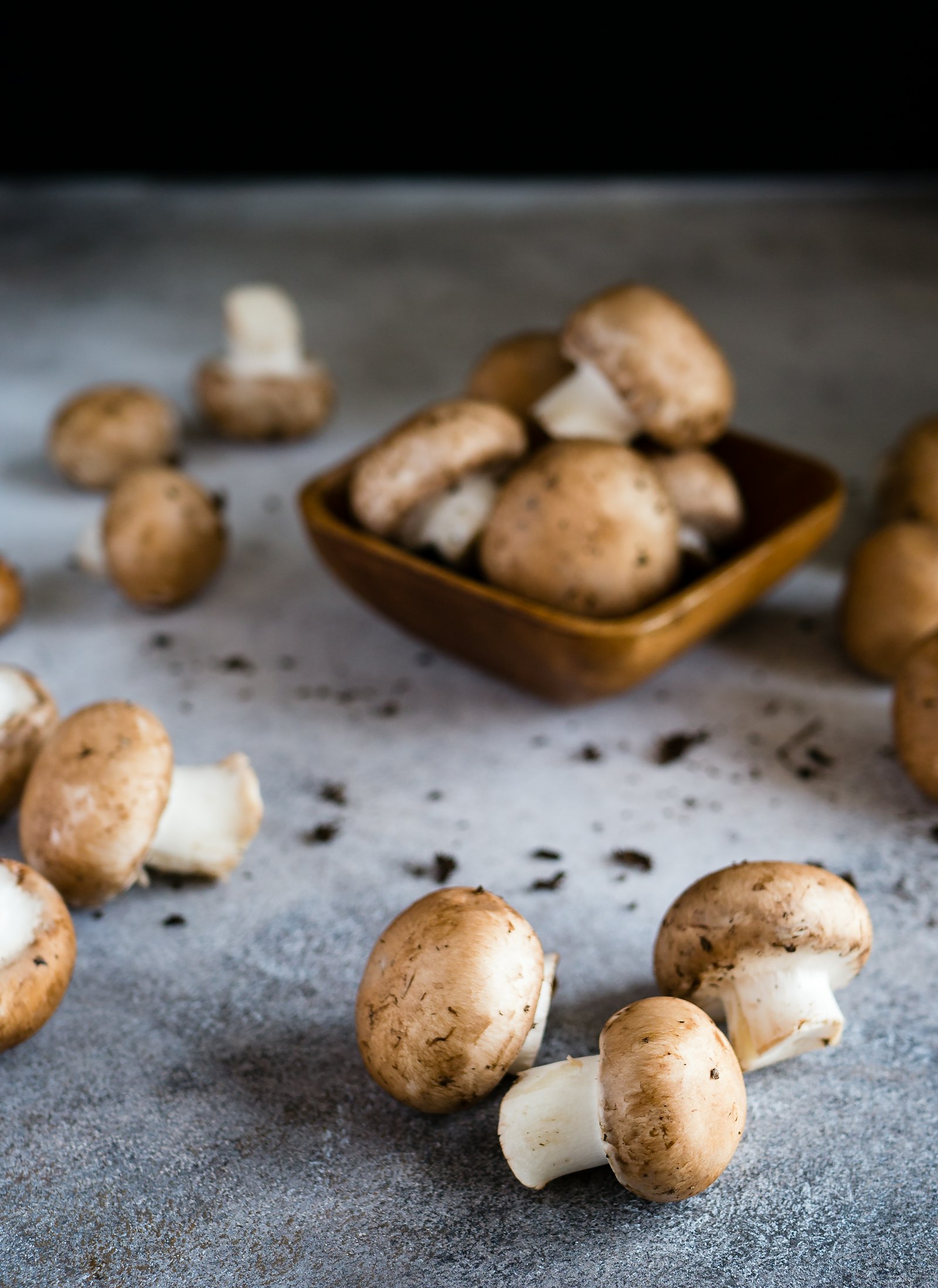
Button Mushrooms (Agaricus bisporus)
- Bioactives & Flavor Profile: Selenium, Ergocalciferol (Vitamin D2), Conjugated Linoleic Acid.
- Culinary & Health Value: Classic savory bite, versatile cooking profile, supports prostate and metabolic health.
Morels (Morchella esculenta)
- Bioactives & Flavor Profile: Unique aromatic volatile esters, high iron and minerals.
- Culinary & Health Value: Earthy honeycomb texture, highly prized in French haute cuisine and Kashmiri culinary heritage.
Truffles (Tuber magnatum / melanosporum)
- Bioactives & Flavor Profile: Dimethyl sulfide, androstenol, complex aromatic terpenes.
- Culinary & Health Value: Luxuriously pungent, intense aroma, pinnacle of gourmet gastronomy.