Despite their long history, mushrooms remain surrounded by urban legends, internet rumors, and agricultural misconceptions. Here, we debunk eight of the most common mushroom myths using verified science.
Myth 1: “All wild or colorful mushrooms are toxic or psychedelic.”
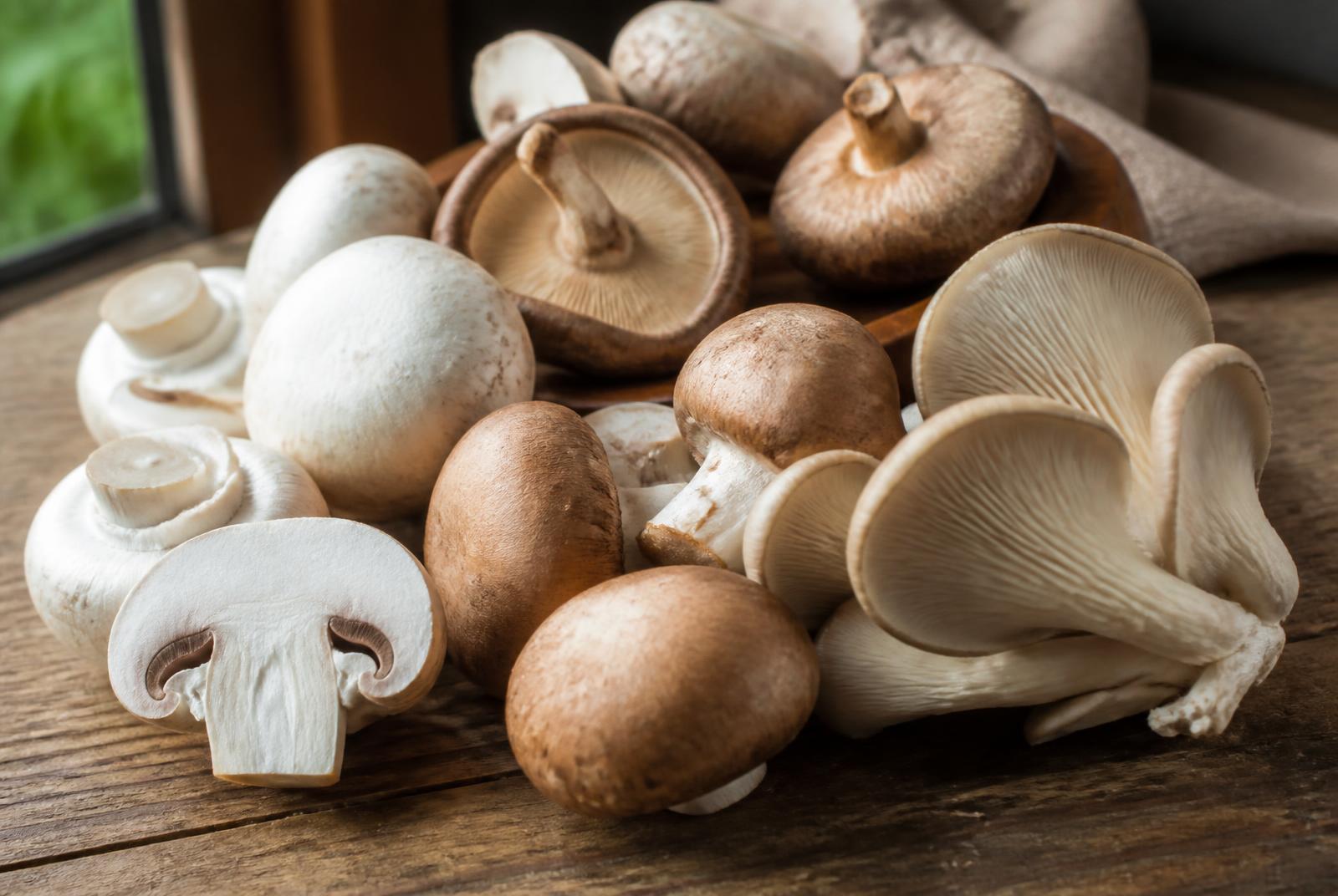
Fact: Out of over 140,000 fungal species, only a small fraction are toxic or psychoactive. Most wild and cultivated species (such as Oyster, Button, Shiitake, Lion's Mane) are completely safe, highly nutritious culinary and medicinal foods.
Myth 2: “Dehydrated and canned mushrooms lose all their nutrition.”
Fact: Dehydration actually concentrates minerals, fiber, and umami compounds. When processed under controlled heat, dehydrated mushrooms retain their protein, β-glucans, and mineral content for up to 24 months.
Myth 3: “Eating raw mushrooms is healthier than cooking them.”
Fact: Raw mushrooms contain indigestible chitin cell walls and trace amounts of heat-sensitive agaritine. Cooking or extracting mushrooms is mandatory to break chitin, neutralize agaritine, and unlock nutrients.
Myth 4: “White Button mushrooms have no health value.”
Fact: Button mushrooms (Agaricus bisporus) are rich in selenium, glutathione, ergothioneine, and ergocalciferol (Vitamin D2). They support metabolic health and gut flora balance.
Myth 5: “Mushroom coffee and tinctures are just modern gimmicks.”
Fact: Peer-reviewed clinical trials validate that functional mushroom extracts modulate immune response, lower oxidative stress, and stimulate neurogenesis.
Myth 6: “All mushroom products on the market are identical in quality.”
Fact: Product quality varies dramatically. Products made from unextracted grain-grown mycelium contain high starch fillers, whereas 100% fruiting body extracts deliver rich active bioactives.
Myth 7: “Mushrooms are plants.”
Fact: Mushrooms belong to their own separate kingdom — Fungi. Phylogenetically, fungi are more closely related to animals than plants! They breathe oxygen and exhale CO₂.
Myth 8: “You can get full medicinal benefits from eating raw mycelium.”
Fact: Unextracted mycelium bound to cereal grains consists predominantly of grain starch, offering negligible medicinal impact compared to standardized extracts.